More than 20 years' experience in hose field.
Language
More than 20 years' experience in hose field.
Appropriate welding hoses are crucial in industrial environments because they ensure operational safety and performance efficiency. Welding devices constructed for oxygen and acetylene present a cosmetic resemblance yet operate using diverse methods. Unique constructions for gas-specific hoses must exist because each welding material requires distinct characteristics to operate safely. As Passion Hose operates as a recognized silicone vacuum hose manufacturer, we fully recognize the technical requirements of welding and cutting systems. This piece outlines the substantial distinctions between oxygen and acetylene hoses combined with descriptions of their industrial behavior and the essential role of suitable hose selection for operational safety and success.
What Are Oxygen and Acetylene Hoses?
Oxy-fuel welding operations require two core elements: oxygen hoses and acetylene hoses. Using these hoses, the torch achieves controlled combustion for cutting or welding tasks through gas delivery from pressurized cylinders. Industrial hoses are identified through the green oxygen hoses and the acetylene hoses. This contrasting color scheme enables fast identification of hoses and prevents dangerous interconnection accidents. The core distinction exists between hoses because they differ by construction type, along with which materials work together and how much pressure they can handle.
Key Differences Between Oxygen and Acetylene Hoses
These gas delivery pipelines function differently since Oxygen and Acetylene hoses demonstrate distinct characteristics. These hoses demonstrate different capabilities in controlling the physical characteristics as well as chemical properties of each gas. Oxygen requires specialized hose materials because it needs high-pressure delivery; therefore, the materials must show non-reactivity while also being combustion-resistant. A single trace of oil or grease within an oxygen hose should be avoided because it creates a risk of ignition and explosion.
The chemical activity of acetylene fuel gas becomes dangerous when combined with copper and other materials during improper usage. Specialized acetylene hose components with resistance to chemical contact and pressure variations guarantee the safe transport of gases by design. Our company, Passion Hose, functions as a leading silicone vacuum hose manufacturer, and we build our hoses according to standards for gas compatibility, pressure resistance, and safety regulations.
Importance of Using the Right Hose
Placing the wrong hose during gas delivery operations presents technical issues and significant safety risks to users. Using an acetylene hose to deliver oxygen might result in fire hazards because of residual oil or reactive substances. The lack of chemical resistance in oxygen hoses makes them unfit for acetylene applications because it results in material breakdown, possible leaks, and explosive hazards. The workforce involved in welding needs proper education about hazardous hose inappropriate usage. Organizations that purchase quality-certified hoses reduce industrial dangers while providing permanent process protection.
Applications of Oxygen and Acetylene Hoses in Welding
The industrial use of oxygen hoses occurs in flame operations requiring precise control and high-pressure delivery. The same hoses serve three welding purposes: flame cutting, brazing, and structural welding tasks in shipbuilding, automotive manufacturing, and steel fabrication. Acetylene hoses function with oxygen in the same apparatus to generate steady, controlled heat through combustion. The industrial hose design facilitates longevity when exposed to temperature variations, mechanical forces, and industrial workshop abuse, ensuring dependable use under demanding conditions. Both hose types utilized in welding operations must pass definite quality tests before being obtained from experienced manufacturing facilities.
Construction and Reinforcement Differences
Manufacturers build oxygen hoses from synthetic rubber because they resist oxidation and combustion events. A clean, uncoated surface exists at the inner section of the hose. High operating pressure needs multiple layers of reinforcement inside these hoses, which are paired with an external layer designed to fight abrasion and environmental degradation. Acetylene hoses need an interior protective material because they must endure exposure to hydrocarbon substances. The hoses receive additional strength from polyester or textile braids incorporated in their construction. A specialized construction technique allows the hose to maintain bending flexibility and resist cracking while being used as a stationary item or as part of daily operations.
Safety Considerations and Hose Maintenance
Organized inspections are critical for preventing gas leaks, hose tears, and deteriorating equipment fixings. Visual signs of damage and softness or stiffening of the hose indicate potential problems with the internal layers. A mild detergent solution should be used to clean hoses to avoid obstructions and promote their durability while storing them safely in locations protected from sunlight, chemicals, and heat sources. Their life expectancy, safety, and codons decline because storage mistakes or inappropriate bending during usage generate internal fatigue.
Twin Welding Hose Configurations
The convenience increased when facilities utilized bonded assemblages of a single welding hose joining oxygen and acetylene tubes. The combined tubing arrangement minimizes workplace chaos while making torch attachment easier and lowering hose-to-hose incidents. Many facilities depend on twin hose systems primarily for production facilities, mobile repair units, and on-site welding operations. The configurations guarantee steady gas flow through separate gas compartments that stop gas mixing during operation. Manufacturers who meet safety standards establish their twin hoses with unique color systems and safe pressure requirements for different gas types.
Regulatory Compliance and Hose Standards
Every welding hose requires approval from international safety criteria and performance criteria. The established standards establish material compatibility, strength conditions, flame resistance requirements, and pressure limitations. Safety-sensitive environments require the absolute adoption of hoses that fulfill the approved standards. Suppliers are required to deliver proof that backs up the information they have provided. As an established silicone vacuum hose supplier called Passion Hose, fulfilling international standards represents a fundamental requirement in production activities.
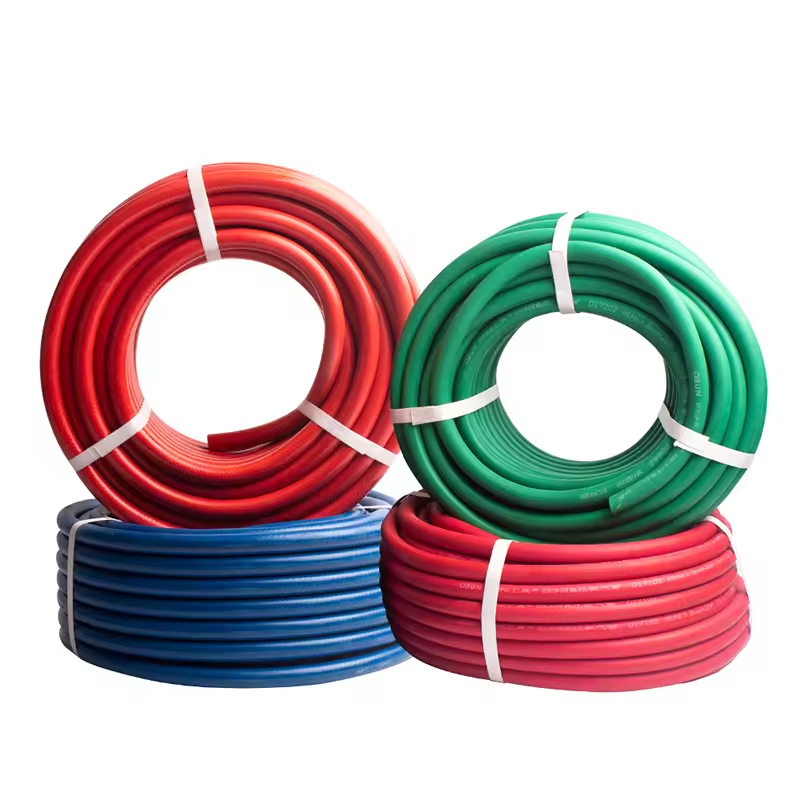
The Selection of Appropriate Welding Equipment Hose Types
Different factors determine the proper welding hose selection, such as the type of operation, gas pressure, re-needs, and equipment specifications, while considering the working environmental conditions. Operations that require larger hoses should select models designed with thick walls and reinforced layers, but mobile setups benefit from lightweight, flexible hose types. The selection of hose length and fittings that match each other is necessary. Extended hoses cause pressure losses, and working with improperly matched connector systems can trigger hose disconnection events if there is excessive stress. The expertise of Passion Hose as a silicone vacuum hose manufacturer enables industries to select appropriate solutions based on their expert advice and support.
Conclusion
Industrial workplaces must fully understand oxygen versus acetylene welding hose types to achieve safety, productivity, and operational long-term success. The different welding hoses have distinct applications, and replacement with one another leads to safety risks and equipment breakdowns. These gas delivery systems are crucial at extensive industrial fabrication facilities and smaller miniature welding stations. The combination of construction quality with flexible features and the ability to withstand pressure along with heat exposure makes these products last throughout time.
Trusted Welding Hose Solutions
Premium-grade hose solutions designed explicitly for welder and industrial applications are produced and distributed by Passion Hose, an established silicone vacuum hose manufacturer. The company remains dedicated to safety, quality, and innovation to deliver dependable operational products that satisfy individual client needs.
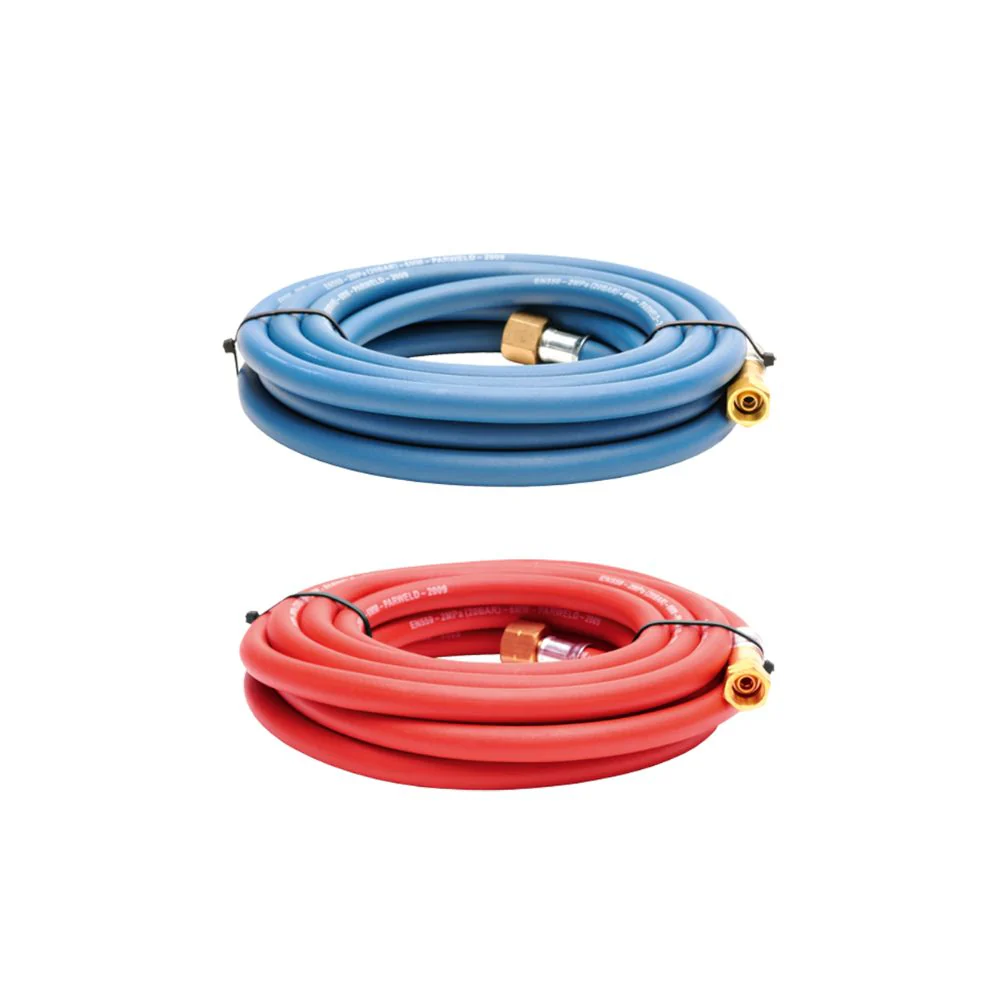
Passion Hose founded in 2007, a professional silicone hose manufacturer, a brand of pipeline hose and accessories R&D, production and sales. Main products: stainless steel shower hose,hydraulic hose ,industrial hose,automotivehose,plumbing hose etc., which are widely used in home, hotel, industry and other fields.

